at Leigh Community Centre, Elm Road SS9 1SP (ground floor, Room 1)
to discuss
The Women Artists of World War II
whose paintings collectively document the many different aspects of the Home Front in Britain as well as medical work in Europe and the Nuremburg Trials.
Priscilla Thornycroft: ‘Oh I was Very Lucky’, London 1944[Imperial War Museum]
Do join us if you can.
Tickets to cover costs: £3.00 (£2.00 for Leigh Heritage members) on the door.
Join us on Saturday 25th May, 11.15am for an hour and a half (ish)
at The Beecroft Gallery, Southend
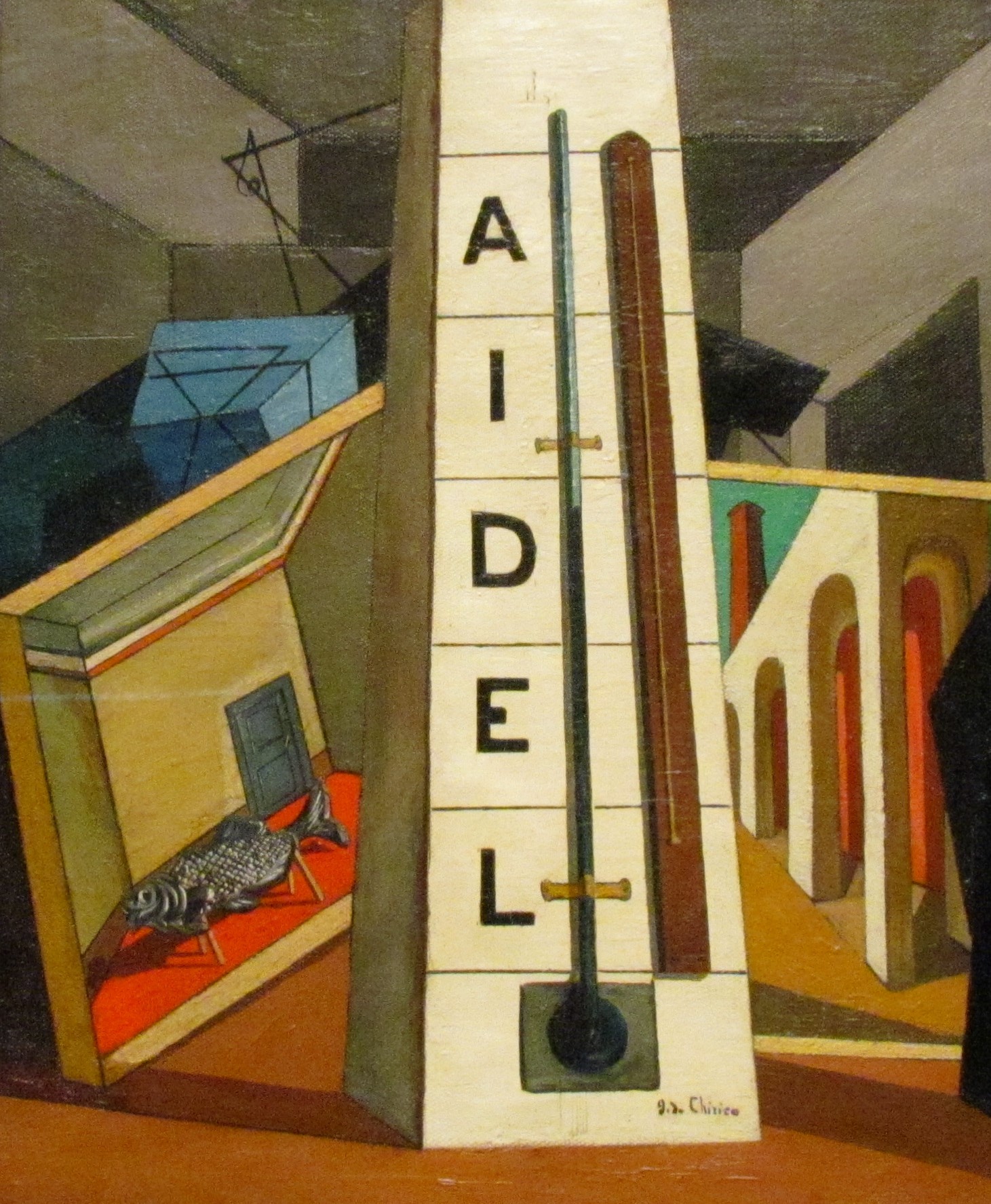
to discuss “The Metaphysical Art of Giorgio de Chirico (1888-1978)”.
“The Dream of Tobias” by Giorgio de Chirico
[1917; private – photographed at Pompidou 2022; for an analysis of the painting, see Sotheby’s here]
We’ll explore the enigmatic ‘dream-like’ world of de Chirico’s paintings which had a powerful effect on, as we noted last month, some of the Neue Sachlichkeit (New Objectivity) artists of Weimar Germany and would inspire the development of Surrealism (indeed there is a 1924 photograph by Man Ray showing “The Dream of Tobias” on the wall of the Surrealist Centre in Paris. (It is also of note that Nancy Cunard owned a painting by de Chirico, now thought to be lost or destroyed.)
Anyhow, prepare yourselves for the elusive, the strange and dream-theatrical amidst the painted world of de Chirico, his fellow metaphysical artists and the early 20th century art of Italy.
Please note there is a £10 charge on the door & includes tea/coffee afterwards at The Jazz Centre.
at The Beaumont (Barchester Care), 15 Cannon Hill, Old Southgate, N14 7DJ
to discuss The Life & Art of Pauline Boty (1938-1966).
Pauline Boty had been a bright light in the British Pop Art world of the early 1960s. Her early death, however, meant her art was lost to public view and she was all but forgotten. That has now changed; Pauline Boty is not only remembered but celebrated. There was an exhibition at Gazelli Art House earlier this year (see here) and one of her paintings stole the show – for me at least – at a recent Christie’s exhibition/ auction:
Epitaph to Something’s Gotta Give [1962; Christies; my photograph 2024]
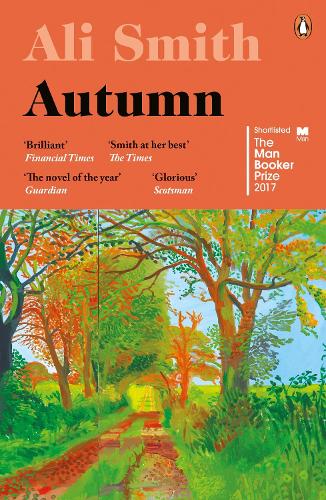
Boty was one of the artist subjects in a 1962 Monitor film documentary “Pop Goes The Easel” by Ken Russell [available on BBC i-player here] and also portrayed in Ali Smith’s novel “Autumn” (Penguin Books); Marc Kristal’s biography of the artist was published (by Quarto) last year:
There’ll be plenty to talk about!
Looking forward to seeing you.
Please note there is a £3 charge on the door to cover tea, coffee & biscuit expenses.
Join us on Saturday 20th April, 11.15am (until around 12.45pm)
at The Beecroft Gallery, Southend-on-Sea
to explore the New Objectivity art movement of Weimar Germany.
Otto Dix (1891-1969): Portrait of Sylvia von Harden [1926; Pompidou];
These art appreciation discussions are open to everyone who might be interested; entry is £10 on the door and includes coffee at the Jazz Centre afterwards.
Join us on Saturday 30th March, 11.15am (until around 12.45pm)
at The Beecroft Gallery, Southend-on-Sea
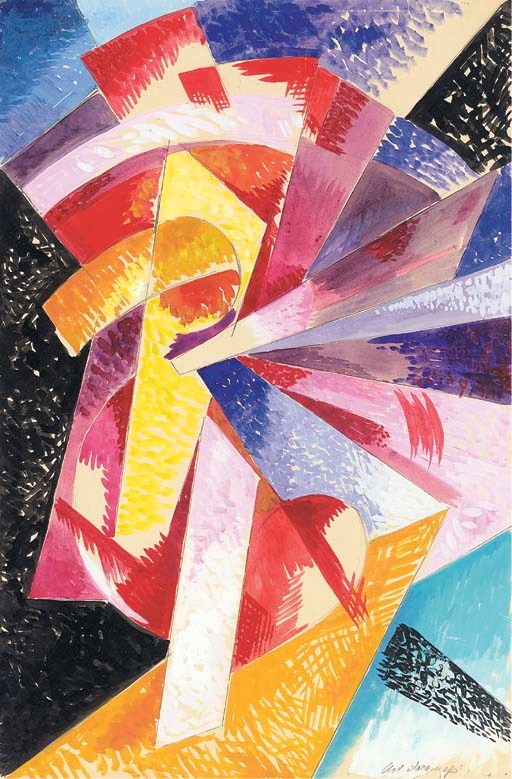
to discuss the Life and Times of Alexandra Exter (1882-1949).
Continuing our focus on artists working across Europe through the early decades of the 20th century, we will follow Alexandra Exter’s life and inspirations from Kiev to Paris, Moscow to Venice.
Left: Rhythmes des Couleurs [1921; c/o Christies]; Right: Au Cafe [circa 1928; c/o Christies]
These art appreciation discussions are open to everyone who might be interested; entry is £10 on the door and includes coffee at the Jazz Centre afterwards.
Looking forward to seeing you!
***
NB.
Exhibition: “In the Eye of the Storm – Modernism in Ukraine, 1900-1930s” will be at The Royal Academy, Piccadilly from 29 June – 13 October 2024;
Join us on Friday 15th March, 11.30am (for about an hour)
at The Beaumont (Barchester Care), 15 Cannon Hill, Old Southgate N14 7DJ
to explore the Art of Evelyn Dunbar (1906-1960).
Known especially for her work as a War Artist, Evelyn Dunbar’s career included murals and illustration. that are often quirky and gently humorous.
The Queue at the Fish Shop [1944; Imperial War Museum c/o artuk.org]
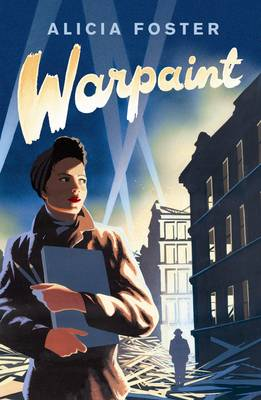
And, for a brilliant novel based on women artists working through World War II, there is none better than Alicia Foster’s “War Paint” which, albeit fictionally, especially illuminates Evelyn Dunbar’s art.
All welcome!
Please note a £3 charge on the door covers coffee & biscuits. All thanks to Barchester Care!
Join us on Saturday 24th February, 11.15am (until around 12.45pm)
at The Beecroft Gallery, Southend-on-Sea
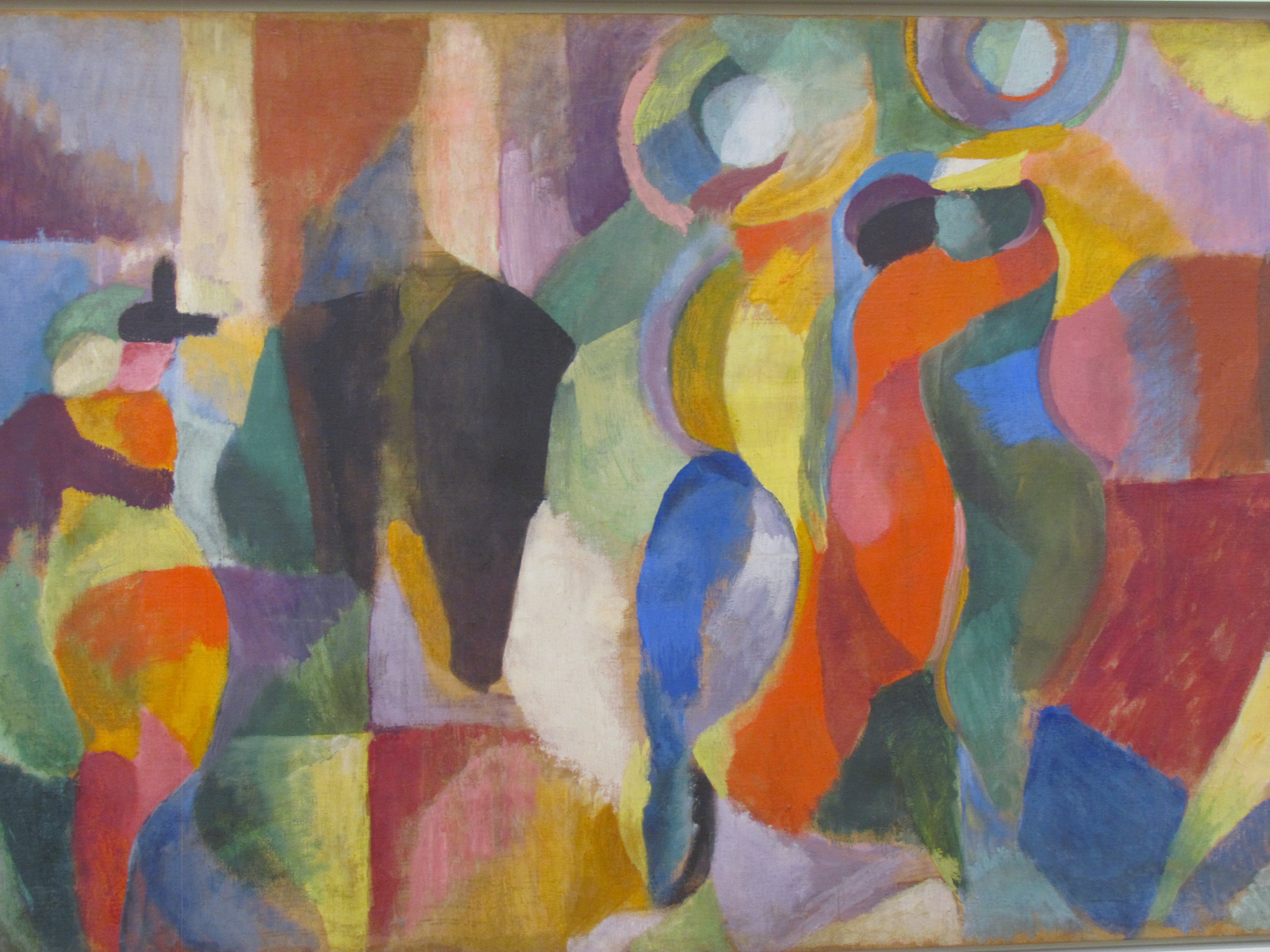
to discuss the artists Robert and Sonia Delaunay, the concept of Orphism (also known as Simultanism) which relates painting to music, and revel in the brilliance of their colourful art.
detail from Sonia Delaunay’s “La Bal Bullier” [1913; Pompidou; my photograph]
*
These art appreciation discussions are open to everyone who might be interested; entry is £10 on the door and includes coffee at the Jazz Centre afterwards.
Join us on Friday 16th February, 11.30am (for about an hour)
at The Beaumont (Barchester Care), 15 Cannon Hill, Old Southgate N14 7DJ
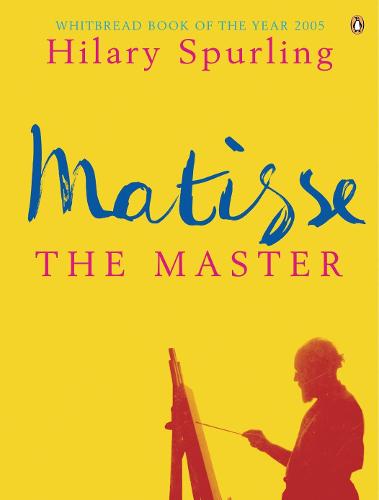
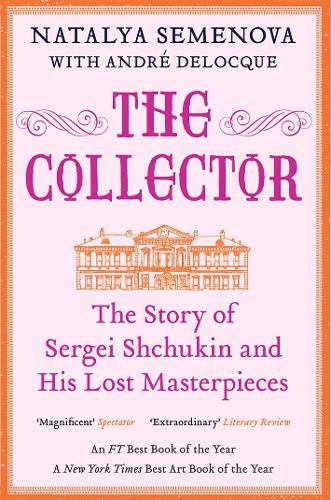
to discuss Henri Matisse (1869-1954)’s “La Danse” [1910; Hermitage, St Petersburg] and how it took him to Russia for three weeks in 1911 as the guest of collector Sergei Schchukin.
It’s one of Matisse’s most radical paintings; the Hermitage website noting how:
“The frenzy of the pagan bacchanalia is embodied in the powerful, stunning accord of red, blue and green, uniting Man, Heaven and Earth”.
So how did it end up in Russia? We’ll find out today as we discuss “Matisse in Moscow”.
Fabulous books include:
*
These gentle art appreciation discussions at The Beaumont are open to residents and local community alike. Please note that there will be a £3 charge on the door to cover costs &c.
Join the ABC Research Group at The Beecroft Gallery, Southend
on Saturday 27th January, 11.15am – 12.30pm
to discuss the life and art of Marc Chagall.
Focusing especially on his career before exile in 1922, we’ll look at Chagall’s vision and inspiration, in Vitebsk, Paris and the first revolutionary years of Soviet Russia.
As always we’ll seek as many resources for further independent study as possible. The Tatewebsite as well as the National Museum of Marc Chagall in Nice website are certainly brilliant starting points. And perhaps the best in-depth biography of the artist is by Jackie Wullschlager “Chagall: Love and Exile” (published by Penguin in 2008 it seems it’s only now available from libraries).
*
No need to book. £10 on the door. These meetings are informative & collaborative discussions open to everyone wishing to share their love for visual art. Coffee at The Jazz Centre downstairs afterwards!









 thecommonviewer